
Buying, renting or owning property in another European country is a large decision taken inside a legal system you probably do not know, and almost everything written about it is published by someone who earns a commission on the outcome. Europe Realtor is an independent reference site. We explain how the purchase process actually works, what a notary does, which costs land on the buyer, how non-residents are treated by lenders, what a lease commits you to, and how residency, taxes and daily life differ from one country to the next.
Why there is no single European way to buy a home
Europe shares a market and, across much of it, a currency, but property law stayed national, and sometimes regional. Each country decides who records ownership, who witnesses a sale, which taxes the buyer pays and what a foreign owner may do afterward. So how buying property in Europe works is really a set of recurring patterns, with local rules filled in country by country.
The widest divide is between the civil-law countries of mainland Europe, where a notary, a public official, authenticates the deed and sees the transfer registered, and Ireland, where solicitors handle the conveyance and no notary plays that role. Set the Spanish purchase process beside how buying works in Germany, where a purchase contract binds no one until it is notarized, or the Dutch system, where the money passes through the notary’s client account. The guides to buying in France, buying in Italy, buying in Portugal, buying in Greece and the Irish process each follow one system from offer to keys, and the buying guide sets them side by side.
From accepted offer to signed deed
The preliminary contract is where commitment starts
Once an offer is accepted, the parties usually sign a preliminary contract (the compromis de vente in France, the contrato-promessa in Portugal, the compromesso in Italy, an arras contract in Spain) and the buyer pays a deposit. In many systems a buyer who walks away loses that deposit, while a seller who withdraws can owe a penalty on top of returning it. What a preliminary contract commits you to covers the clauses that decide this. Buying a home not yet built adds staged payments and guarantees; see how off-plan purchases differ.
Notary, lawyer and agent are three different jobs
A frequent misunderstanding is that the notary protects the buyer. In most civil-law systems the notary is impartial, there to confirm identities, check that the deed is lawful and see it recorded, not to judge whether the deal is good for either side. What a notary does in a purchase shows where that duty ends. The agent is usually paid on completion, by the seller, the buyer or both depending on the country, and who pays the estate agent explains why that shapes whose interests the agent serves.
That leaves a gap only an independent lawyer fills: someone with no connection to the seller, the developer or the agent, who reads the contract before anything is signed. It is the single step that prevents most cross-border property disasters, and why buyers abroad use their own lawyer covers what that review looks for. Buyers who cannot attend can sign through a power of attorney in a foreign purchase, and couples of different nationalities face choices about holding title, covered in buying jointly across borders.
What the registry shows, and what it leaves out
A land registry records who owns a property and what is registered against it, such as a mortgage or a right of way; a cadastre maps the plot and its buildings. They confirm whether the seller is the only owner and which registered debts follow the property, but an unpermitted extension, arrears owed to a building’s owners’ association or a boundary that differs from the official plan may not appear. How title checks and land registries work explains what each record proves, and surveys and structural checks abroad covers the building itself.
The costs arrive in layers
The price is only the first cost; most of the others are set by law, not negotiated. A purchase usually carries a transfer tax or stamp duty (some countries apply value-added tax instead on new builds), plus notary, registration and legal fees. Some countries charge transfer tax on the price paid, others on an officially assessed value. Property transfer taxes and who pays explains the mechanics, what buying costs, country by country shows how the categories combine, and the costs nobody mentions covers smaller items such as translations and valuations. Money moved from another currency adds exchange-rate exposure; see currency risk on a foreign purchase.
Ownership then brings recurring costs: an annual property tax, local service charges, community fees in an apartment building, insurance and, in some countries, a tax on non-resident owners even when the property is never let. Ongoing costs of owning abroad lists the categories, and what owning costs each year shows why a headline rate says little when each country taxes a different base. On the way out, what selling costs in each country covers gains taxes and the withholding some countries apply to non-resident sellers. The current figure for any of these comes from the national tax authority or a qualified adviser there, because rates and thresholds change.
Borrowing as a non-resident
Many lenders lend to foreign buyers, but on different terms, because income earned abroad is harder for them to verify and to recover against. That typically means more of the price paid from savings, more paperwork and closer scrutiny of existing debts. Getting a mortgage as a non-resident describes the application, and why foreign buyers get different terms explains the lender’s reasoning. Some lenders make life cover a condition, as life insurance and mortgage requirements sets out, and a local account is usually needed for taxes and bills; see opening a bank account as a buyer.
Owning a home does not settle where you may live
Buying property and gaining the right to live in a country are separate legal questions. Citizens of EU and EEA countries and Switzerland generally have free-movement rights, though they may still have to register. Others are generally limited to short stays without a residence permit, and ownership alone rarely provides one; several countries that offered investment-based routes have closed or narrowed them. Whether buying property brings residency covers where that stands, the difference between permits and visas sorts out the terms, and what happens to residency after a sale covers status tied to a property. These rules change, and the country’s immigration authority is the only reliable check; for EU citizens, the European Commission’s Your Europe residence pages summarize the rights involved.
Tax residence is a third question, set by each country’s own tests and by treaties; the Commission’s Your Europe portal covers how EU rules treat people taxed in more than one member state. Registering your address after a move is a legal duty in some countries and barely exists in others, healthcare access for property owners depends on residence and contributions rather than ownership, and utilities and standing charges keep running whether or not anyone is home.
Renting, letting and selling from a distance
Renting is just as national. In some countries open-ended leases are the norm and a landlord can end one only on specific grounds; in others fixed terms dominate. The renting and living hub gathers the topic, what to check before signing a lease covers the clauses, and the general shape of tenant rights explains the patterns. Deposits sit with the landlord in some countries and in a separate account or public scheme in others, which is why how rental deposits are returned varies so much.
Letting a property usually means income tax where the property sits, possible reporting at home and, in many cities, a license for short-term lets; letting out a property abroad sets out the categories. Keeping an empty house sound from a distance raises damp, security and insurance conditions on unoccupied homes, which maintaining a property you do not live in addresses. And selling a property abroad runs the purchase in reverse, with the certificates and tax steps a seller must supply.
Questions to put to a local professional
None of this replaces advice on a particular purchase or says what anyone should do in their situation; it only sharpens the questions. For a lawyer: is the seller the sole registered owner, do any debts or building arrears pass with the property, does everything on the plot have its permits, and what exactly does the preliminary contract put at risk? For a tax adviser: which taxes apply on purchase, during ownership and on sale, on what base, and how they interact with the tax system at home. For a lender: which documents a non-resident must provide, and what conditions attach to the offer. The answers differ by country, and often by region.
Start here
 Buying property in EuropeHow the purchase actually works, the costs that land on the buyer, and how countries diverge.
 Renting & living in EuropeLeases, residency, running costs and the practical side of actually living there.
Browse by topic · ordered by altitude

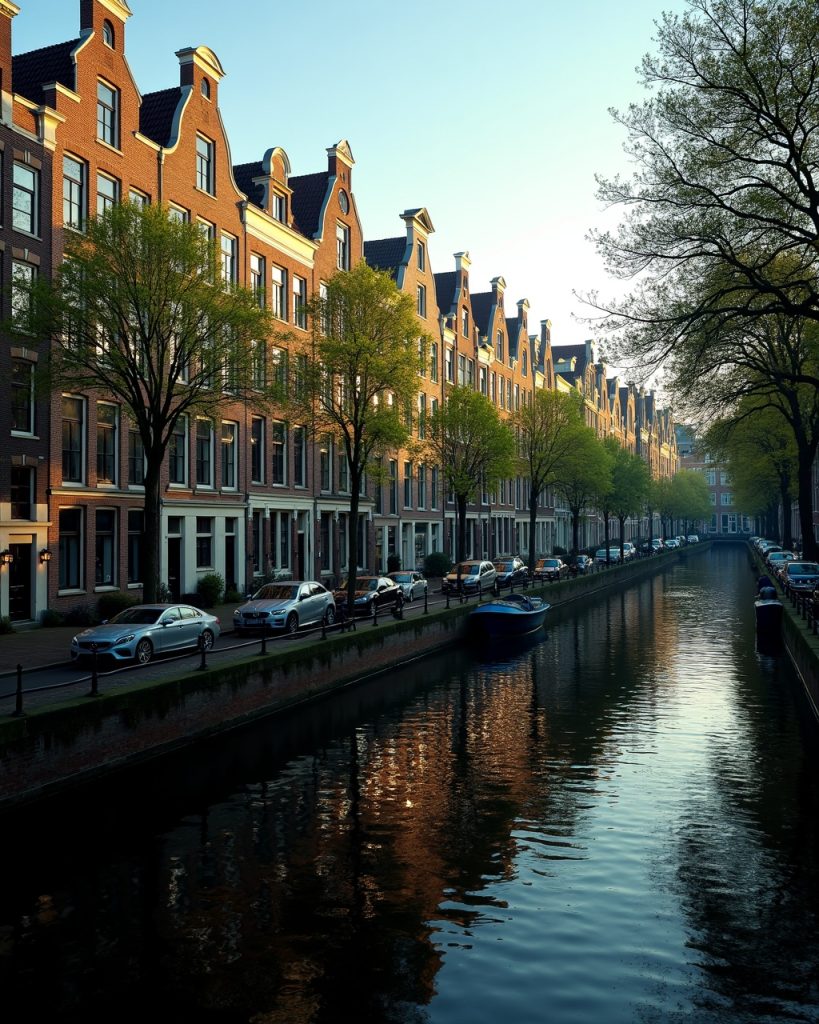

Street
Buying Process
Street
Buying Process
How a purchase actually works step by step — offers, notaries, contracts and completion.
The one thing worth doing before you commit
Engage your own independent lawyer in the country you are buying in — someone with no relationship to the seller, the developer or the agent. It is the single step that prevents most cross-border property disasters: unregistered extensions, unpaid community debts that transfer with the property, sellers who are not the sole owner, and deposits handed over on a contract nobody explained. An agent who found you the property and earns on the sale is not the person to check it.
Compared side by side
Three reference tables covering the whole life of a purchase — the part most guides give you one country at a time.
- Buying — total purchase costs across seven countries, and what each country’s main tax is actually charged on. Italy and Greece tax an assessed value, not the price you pay.
- Owning — the annual tax, and why ranking countries by rate is misleading when every one uses a different base.
- Selling — three structurally different exit regimes: hold-and-escape, flat rate with withholding, and no gains tax at all.
Recently published
Buying Process 3
- Buying Property Jointly Across Borders
- How Buying Property in Europe Actually Works
- Off-Plan Property: How the Process Differs
Country Guides 3
- Buying Property in France: How the Process Works
- Buying Property in Germany: How the Process Works
- Buying Property in Greece: How the Process Works
Costs & Taxes 3
- Currency Risk When Buying Property Abroad
- Ongoing Costs of Owning Property in Another Country
- Property Transfer Taxes: What They Are and Who Pays
Owning & Selling 3
- Letting Out a Property You Own Abroad
- Maintaining a Property You Do Not Live In
- Selling a Property Abroad: What’s Involved
Living There 3
- Healthcare Access When You Own Property in Europe
- Opening a Bank Account as a Foreign Property Buyer
- Registering Your Address After Moving to Europe
Mortgages & Finance 3
- Getting a Mortgage in Europe as a Non-Resident
- Life Insurance and Mortgage Requirements Abroad
- Why Foreign Buyers Get Different Mortgage Terms
Renting 3
- Rental Deposits in Europe: How They’re Returned
- Tenant Rights in Europe: The General Shape
- What to Check Before Signing a European Lease
Residency & Visas 3
Europe Realtor publishes general information about European property, not legal, tax, financial or immigration advice. We are writers and editors, not estate agents, lawyers, notaries or tax advisers. Rules differ by country and often by region, and they change. Before committing money, engage an independent lawyer in the relevant country who is not connected to the seller or the agent, and confirm your tax position with an adviser qualified in that jurisdiction.